
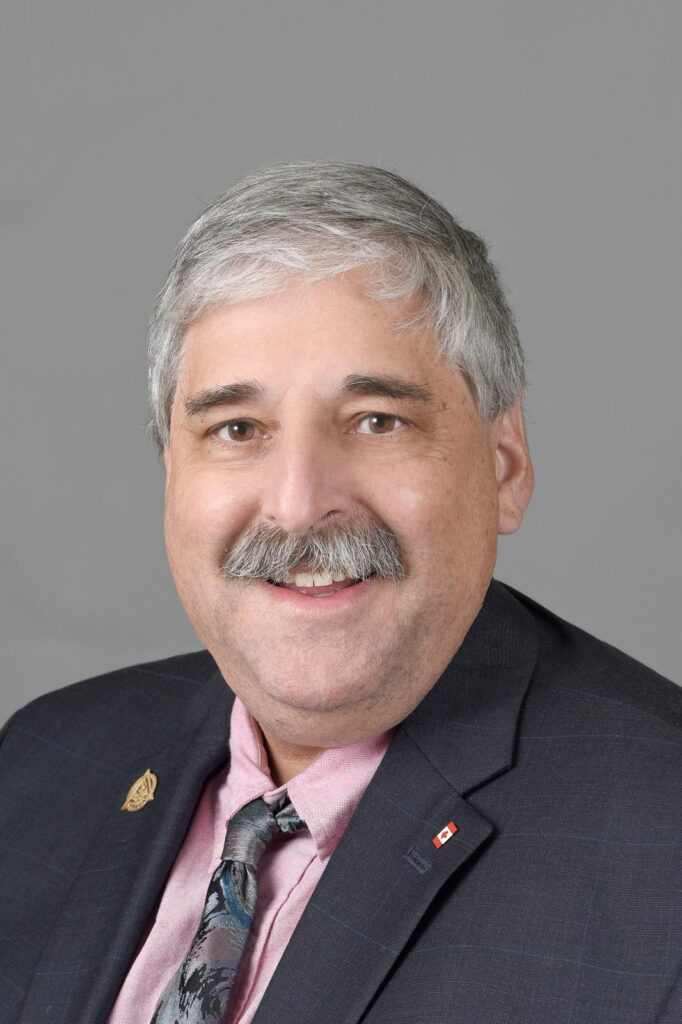
Dr. Gray D. Klasser
Biography - Dr. Gary D. Klasser, DMD, Cert. Orofacial PainDr. Gary D. Klasser obtained his dental degree from the University of Manitoba (Canada) in 1980. Over the next 22 years, he enjoyed the practice of general dentistry from both a public health and private practice perspective until he returned to graduate studies in 2002. In 2004, he completed his training and graduated from the University of Kentucky with a Certificate in Orofacial Pain. In 2005, he completed a fellowship in Oral Medicine/Oral Oncology at the University of Illinois at Chicago (UIC). From 2005 – 2011, he was an Assistant Professor and Director of the Oral Medicine/Orofacial Pain clinic at the College of Dentistry in the University of Illinois at Chicago. Currently, he is a Professor in the Department of Diagnostic Sciences at Louisiana State University, School of Dentistry and a Fellow of the American Academy of Orofacial Pain. Dr. Klasser has published numerous peer reviewed scientific articles while contributing many chapters to various textbooks. He also serves as an associate editor or as an editorial reviewer for a number of journals. He is also co-editor of several textbooks related to oral and facial pain and is a Past-President of the American Academy of Orofacial Pain.
Read more...
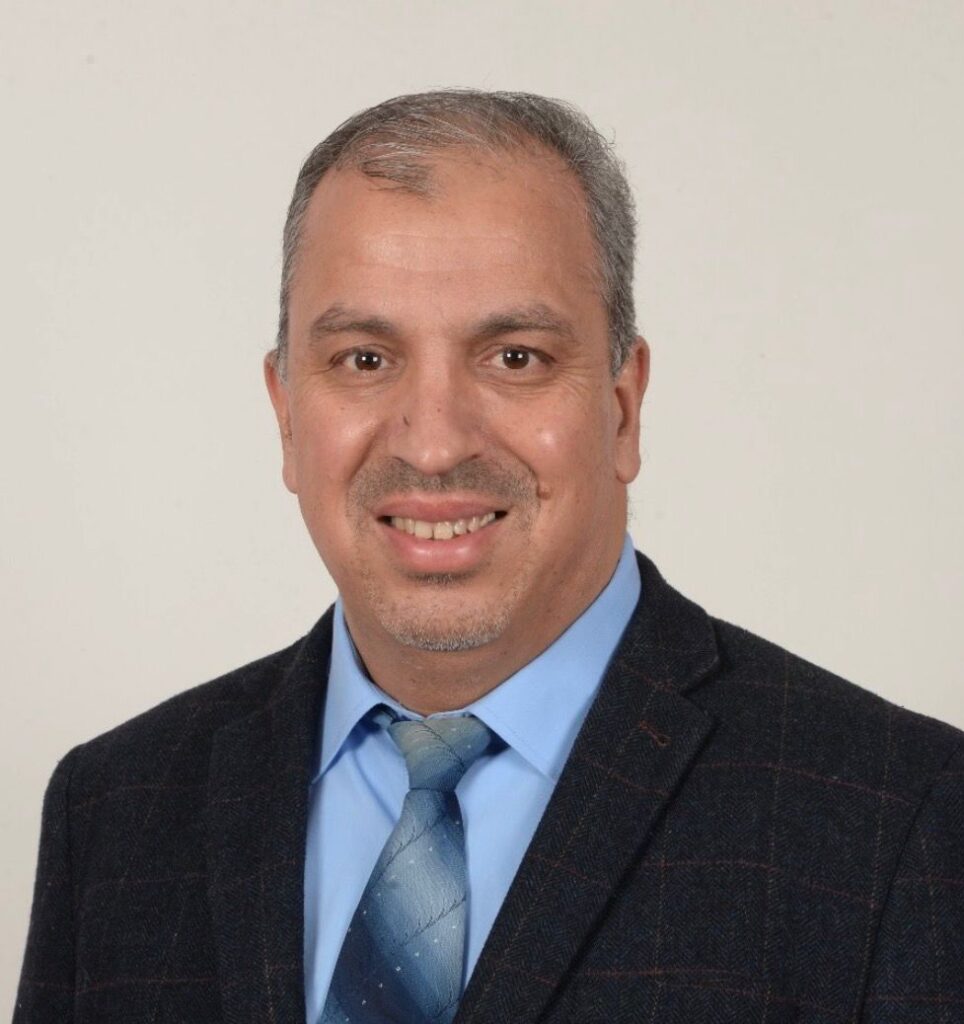
Dr. Naser A. Khayat
TMD in the Modern Era: A Multidisciplinary Journey from Psychosocial Factors to Obstructive Sleep Apnea
Dr. Naser A. KhayatBDS, MSc, PhD in Orthodontics and Orofacial Pain Assistant Professor, Department of Orthodontics, Faculty of Dentistry, Al-Quds University, Palestine Assistant Professor, Department of Orthodontics, Faculty of Dentistry, Arab American University, Palestine President, Palestinian Academy of Orofacial Pain & Dental Sleep Medicine Vice President, Arab Society of Orofacial Pain & Dysfunction Member, World Federation of Orthodontists (WFO) Member, International Association of Orofacial Pain (IAOP) Member, European Academy of Orofacial Pain & Dysfunction (EAOPD) Member, European Academy of Dental Sleep Medicine (EADSM)
Abstract Temporomandibular disorders (TMDs) are among the most prevalent musculoskeletal conditions affecting the orofacial region and represent a major cause of chronic pain and functional impairment. Modern evidence supports a shift from the traditional biomechanical view of TMD toward a broader biopsychosocial model that recognizes the complex interactions among psychological, behavioral, neuromuscular, and sleep-related factors. This lecture explores the contemporary understanding of TMD through a multidisciplinary perspective, highlighting the roles of stress, anxiety, depression, awake and sleep bruxism, central sensitization, and chronic pain mechanisms in the onset and persistence of TMD symptoms. Particular attention will be given to the growing body of evidence linking TMD with sleep disturbances and sleep-disordered breathing, including snoring and obstructive sleep apnea (OSA). The presentation will discuss the bidirectional relationship between pain and sleep, the potential role of airway compromise in orofacial pain conditions, and the importance of screening for sleep-related breathing disorders in patients presenting with TMD complaints. Clinical cases will be used to illustrate how collaboration among dentists, orthodontists, orofacial pain specialists, sleep physicians, physiotherapists, psychologists, and other healthcare professionals can improve patient outcomes. By integrating current scientific evidence with practical clinical approaches, this lecture aims to provide participants with a comprehensive framework for understanding, diagnosing, and managing TMD in the modern era.
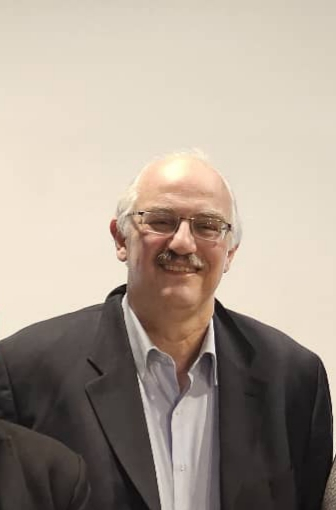
Dr . Jihad Albaroudi
Professional CV
- Specialist in Orthodontics / Toulouse Unversity– France
- Diploma in TMD and Occlusion /Toulouse University-France
- Certificate in Lingual Orthodontic/ Lyon University- France
- Member of Syrian Board of Orthodontic High- council
- President of Syrian Association of Temporomadibular disorders
- Member of French Orthodontic Society- Ex professor at Damascus University
- Ex Professor at IUST University in Syria
Abstract :
"Diagnostic methodology and when dealing with clinical cases of Orofacial pain.Many Dentists when dealing with TMD and Orofacial Pain Problems thinking as same as we do in our daily dentistry practice !!!! actually to success the TMD management dentist should think as Physician in general medicine the approach is totally different.This topic has as objective to clarify what methods should we take to defines the TMD problems , and what guidelines should we follow to solve the TMD issues.These recommendations are based on Clinical experience , and some research recommendations. Diagnostic Methodology when dealing with Clinical Cases of Orofacial Pain
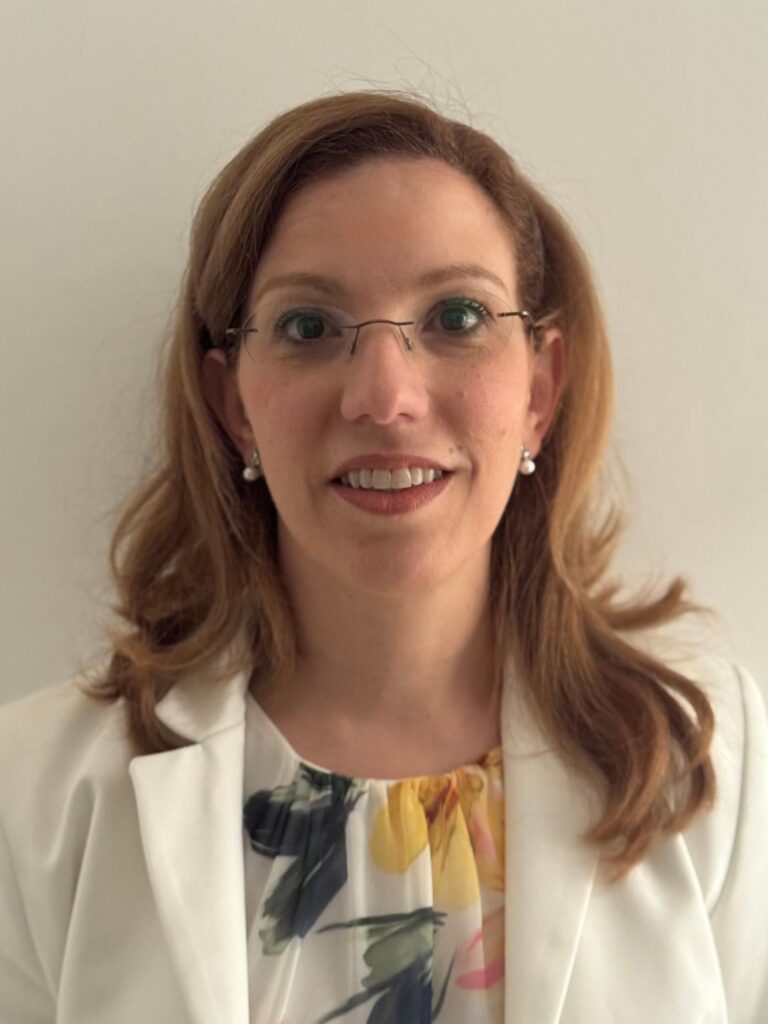
Dr.Reem Dahdaleh
Title:
Impact of occlusal changes on temporomandibular joint biomechanics: A review of current evidence.
Biography:
BDS (Lond.), MFDS RCS (Eng.), MClinDent Prosthodontics (Lond.), MPros RCS (Ed.), & Jordanian Board in Prosthodontics Dr Reem has a private practice in Amman, Jordan since 2012. She completed her BDS from Kings College London in 2005. She worked as a senior house officer in Maxillofacial Surgery at Guy’s, Kings and Queen Mary’s Hospitals and attained the MFDS (Membership of the Faculty of Dental Surgery) in 2007. She then completed her specialty in Prosthodontics at the Eastman Dental Institute (University College London), and attained her Masters in Clinical Dentistry in Prosthodontics in 2010 as well as her Membership in Prosthodontics at the Royal College of Surgeons of Edinburgh in 2011. She later moved to Jordan and got the Jordanian Board in Prosthodontics in 2013. She taught undergraduates at the University of Jordan for 6.5 year as a part-time lecturer, and she still teaches on other courses relating to implant dentistry. In 2020 she was one of the founders of the Jordanian Commission of Oro-facial Pain and TMJ Dysfunction shortly after the American Dental Association recognized Orofacial Pain as a dental specialty.
Abstract
Occlusion and temporomandibular joint (TMJ) function have long been considered closely interconnected; however, the nature and extent of this relationship remain subjects of ongoing debate. By integrating current research and clinical perspectives, this presentation aims to provide participants with a balanced understanding of the relationship between occlusion and TMJ biomechanics and to support evidence-based decision-making in restorative, prosthodontic, orthodontic, and multidisciplinary patient care.
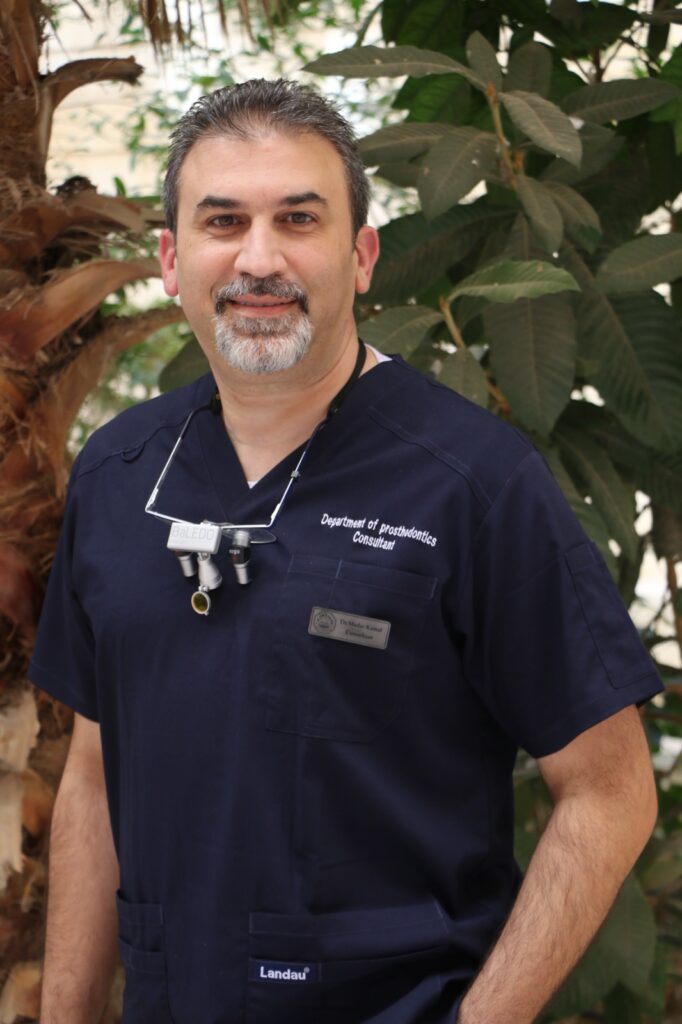
Dr.Mudar S.Kamal
Cutting-Edge Implant Occlusion: New Frontiers in Functional Stability and Orofacial Pain
Biography:
is the head of the department of Fixed and Removable prosthodontics at Al-Quds University / School of Dentistry in Jerusalem.
In addition, he is the coordinator of the school’s specialty program in fixed and removable prosthodontics. Dr. Mudar is currently leading the specialty committee of the Fixed and Removable Prosthodontics section at the Palestinian medical council / the Palestinian board Examination.Since 2004 Dr. Mudar has been working exclusively in the field of fixed and removable prosthodontics, and working in teams with other specialties to treat patients suffering complex and complicated tooth loss cases.Dr. Mudar Kamal is interested in Dental implantology and practiced the interest on every level (advanced mainly).He is also interested in the new era of digital dentistry, and has adopted the digital work flow protocols in his work. He is also interested in the scientific and applied aspects of dental occlusion.
Abstract
Advances in implant dentistry are redefining the role of occlusion in achieving long-term functional stability and patient comfort. This lecture explores contemporary concepts in implant occlusion, with particular emphasis on the emerging understanding of osseoperception and its implications for function, sensory feedback, and occlusal adaptation. The presentation will examine individualized, evidence-based approaches to implant occlusion alongside cutting-edge technologies such as digital occlusal analysis, virtual articulators, jaw tracking, and virtual patient workflows. The relationship between implant therapy, sleep bruxism, temporomandibular disorders, and orofacial pain will also be discussed, highlighting practical strategies for diagnosis, risk assessment, and complication prevention.
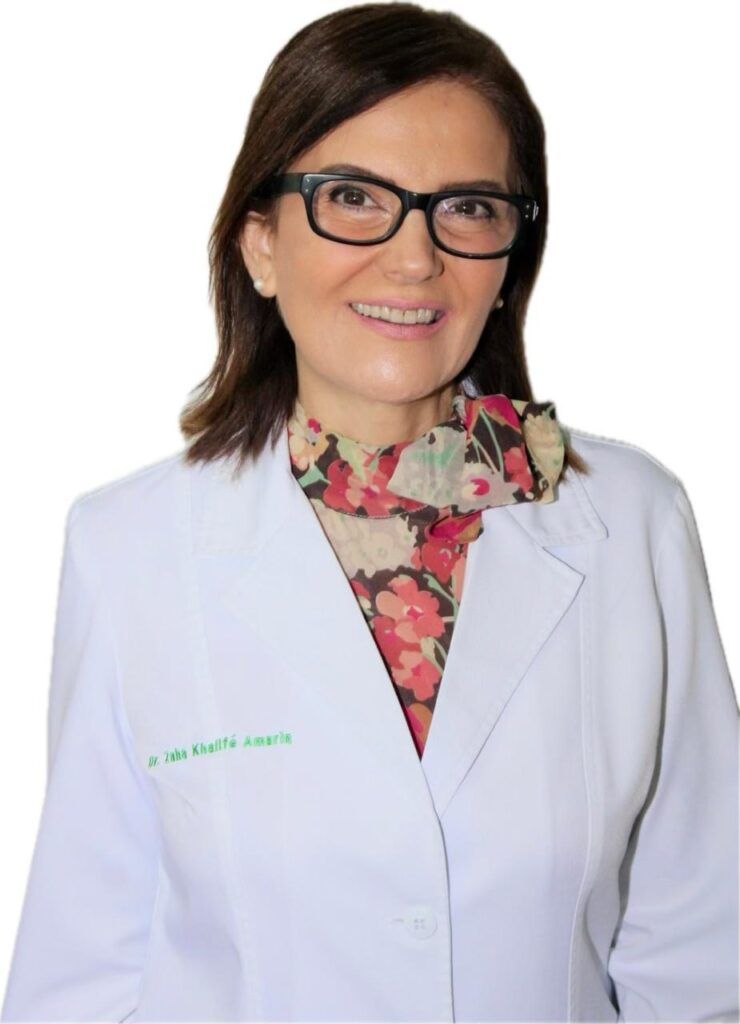
Dr. Zaha Khalifé Amarin
Title:
The TMD–Occlusion–Orthodontic Connection: Revisiting the Puzzle
Dr. Zaha Khalifé Amarin is an American Board–certified orthodontist and holds a Proficiency Certificate in Occlusion and Temporomandibular Disorders from Georgetown University. She is Founder and President of the Jordanian Commission of Orofacial Pain and Dysfunction, Jordan Section Chair and Fellow of the Pierre Fauchard Academy, a board member of the International Association for Orofacial Pain, and an active member of the American Association of Orthodontists. Dr. Amarin lectures regionally and internationally on orthodontics, TMD, and dental sleep medicine. She serves as a peer reviewer for orthodontic and TMD journals and is an Expert Lecturer at the University of Jordan. She is the CEO and Consultant Orthodontist of her multidisciplinary center in Amman, Jordan.
Abstract:
The relationship between occlusion, malocclusion, and temporomandibular disorders remains one of the major controversies in both the scientific literature and clinical practice. For decades, concepts such as condylar position, centric relation, occlusion, and malocclusion have shaped diagnosis and treatment decisions, yet many of these long-held dogmas continue to be challenged by emerging evidence and an evolving understanding of pain. This lecture revisits the puzzle from a practical clinical perspective, beginning with TMJ function and contemporary TMD assessment using DC/TMD principles. Long-held concepts will be examined alongside current evidence, with particular attention to the distinction between tooth-to-tooth contact and the brain’s interpretation of the same event. Through clinical pearls, counterpoints, and evidence-informed insights, participants will gain a clear framework for navigating the intersection of TMD, occlusion, and orthodontics, translating current evidence into everyday clinical decision-making.
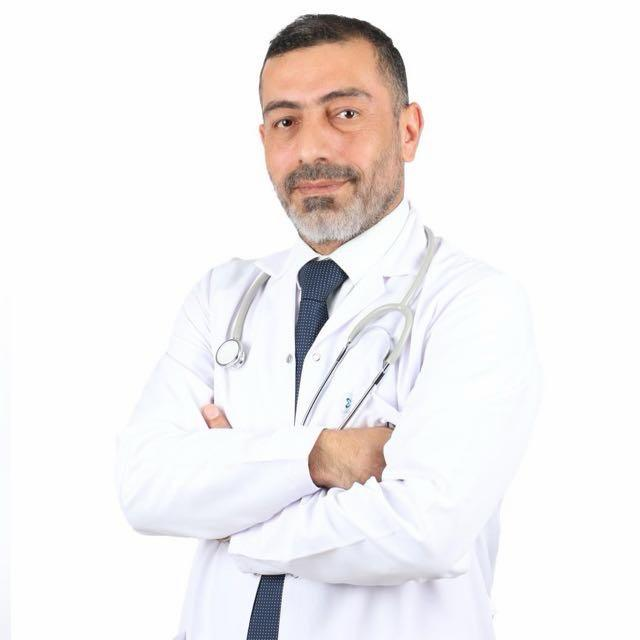
Dr.Sameer Matour
Heart failure and obstructive sleep apnea
Consultant interventional cardiologist
Associate professor at Al Quds university
Head of cardiology department at al Makassed hospital
Abstract:
Heart failure (HF) and obstructive sleep apnea (OSA) are highly prevalent conditions that frequently coexist and negatively influence each other. OSA is characterized by recurrent episodes of upper airway obstruction during sleep, resulting in intermittent hypoxia, sleep fragmentation, and marked fluctuations in intrathoracic pressure. These physiological disturbances contribute to sympathetic nervous system activation, systemic inflammation, endothelial dysfunction, and increased cardiovascular stress, all of which may promote the development and progression of heart failure. Conversely, heart failure can worsen sleep-disordered breathing through fluid redistribution and upper airway narrowing during sleep. Patients with both HF and OSA often experience reduced quality of life, increased hospitalization rates, and higher cardiovascular morbidity and mortality. Early recognition and diagnosis of OSA in heart failure patients are essential for comprehensive management. Treatment strategies, including lifestyle modification, continuous positive airway pressure (CPAP) therapy, and optimization of heart failure care, may improve symptoms, functional status, and cardiovascular outcomes. Understanding the complex interaction between HF and OSA is crucial for developing integrated therapeutic approaches and improving patient prognosis.
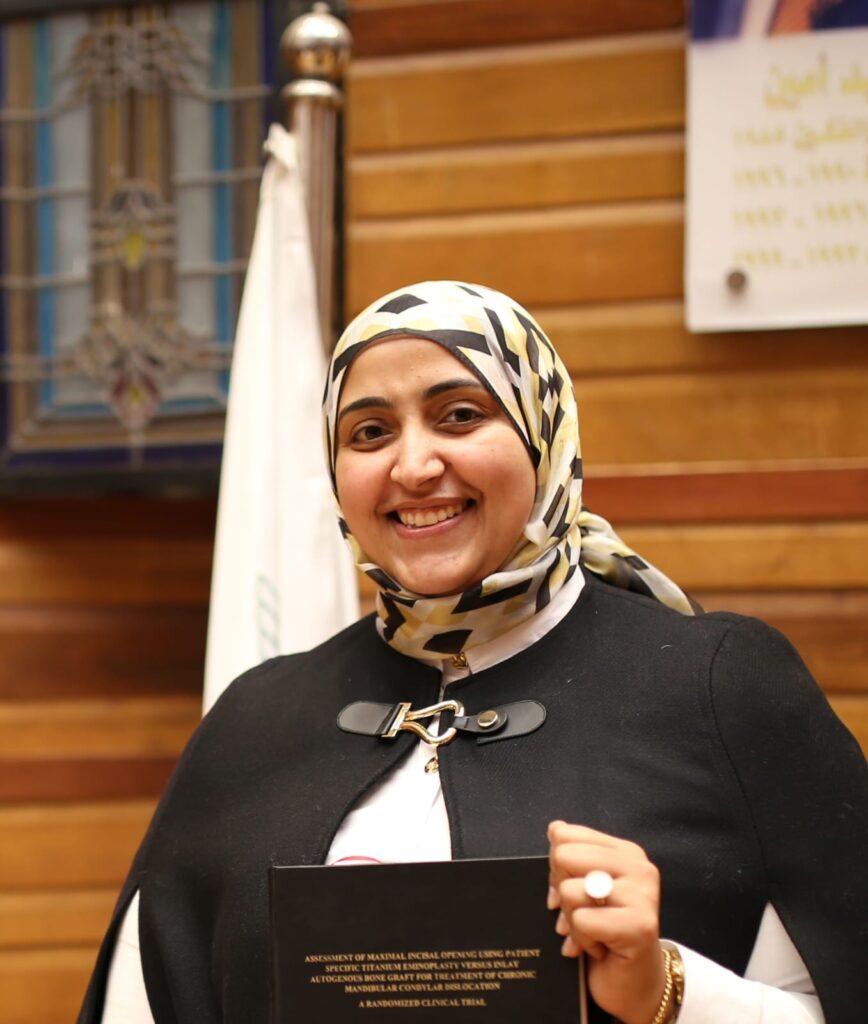
Dr. Rania Ihab Younis,
Lecture title:
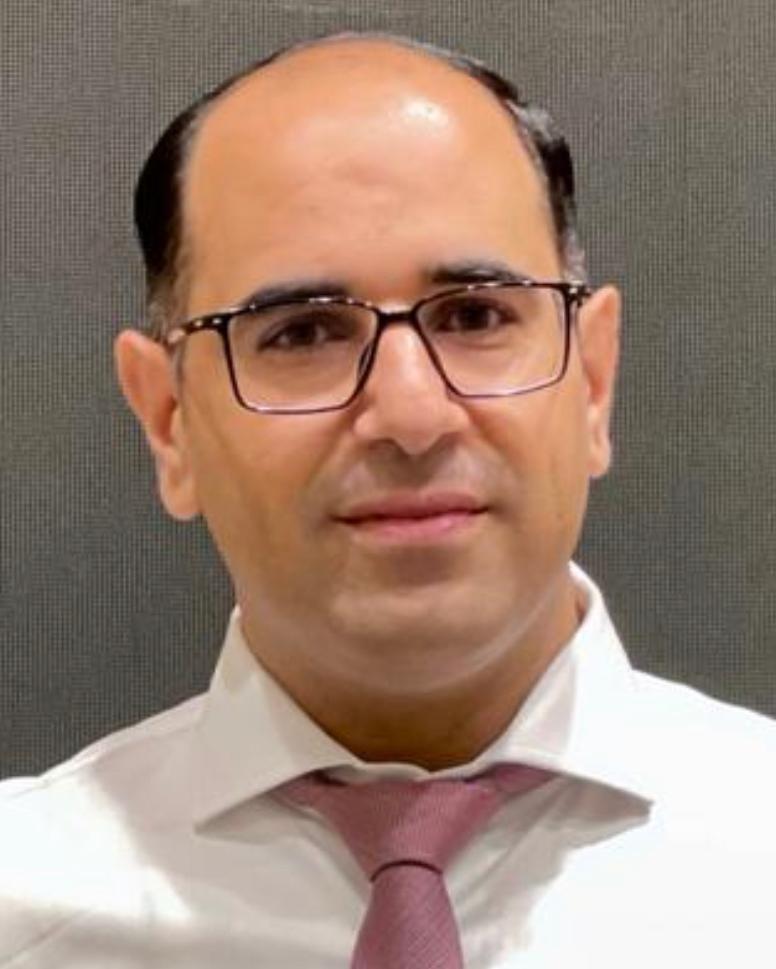
Conservative non-surgical management of TMDs
Lecturer of Oral and Maxillofacial Surgery department, Faculty of Dentistry, MSA University
Dr. Rania Ihab Younes is an Oral and Maxillofacial Surgeon, TMJ specialist, academic lecturer, and dedicated humanitarian.She holds a Master’s, a PhD in her specialty, and an MBA tailored for the medical sector.Since 2011, she has been a faculty member at October University for Modern Sciences and Arts (MSA).In her current role as a Lecturer, she balances clinical instruction with academic quality assurance.Driven by service, she has provided life-changing surgical care to underserved communities globally.Her international medical missions since 2016 span Malawi, Mozambique, Kenya, Tanzania, Ghana, Uganda, and Jordan.
Conservative, Non-Surgical Management of Temporomandibular Disorders (TMDs): A Evidence-Based Patient-Centric ApproachBackground: Temporomandibular disorders (TMDs) comprise a heterogeneous group of musculoskeletal and neuromuscular conditions involving the temporomandibular joint (TMJ), masticatory muscles, and associated structures. While surgical interventions exist for severe structural pathology, the vast majority of TMD cases respond favorably to reversible, non-invasive therapies.Objectives: This presentation aims to evaluate the efficacy of conservative, non-surgical management strategies for TMDs, emphasizing a multidisciplinary, stepwise treatment protocol that minimizes risk and maximizes patient outcomes.
Methods/Methods Covered: A comprehensive review of current clinical guidelines and evidence-based modalities was conducted. The conservative framework analyzed includes:
Behavioral & Educational Therapy: Patient education, habit reversal (e.g., bruxism, clenching), and stress management.
Physical Therapy: Manual therapy, therapeutic exercises, and modalities such as ultrasound and low-level laser therapy (LLLT).
Pharmacotherapy: Short-term use of NSAIDs, muscle relaxants, and low-dose tricyclic antidepressants for chronic pain.
Occlusal Splint Therapy: Stabilization appliances to reduce muscle activity and protect joint structures.
Results: Current literature indicates that upward of 85% to 90% of TMD patients experience significant symptom resolution, pain reduction, and improved mandibular jaw function through conservative means alone. Invasive procedures rarely yield superior long-term outcomes for myofascial or non-anchored disc displacement issues when compared to structured non-surgical care.Conclusion: Conservative, non-surgical management remains the gold standard for the initial and long-term care of TMDs. A patient-centric, reversible approach reduces the financial and physical burden of invasive procedures, highlighting the need for clinicians to prioritize conservative protocols before considering surgical intervention.
Minibio
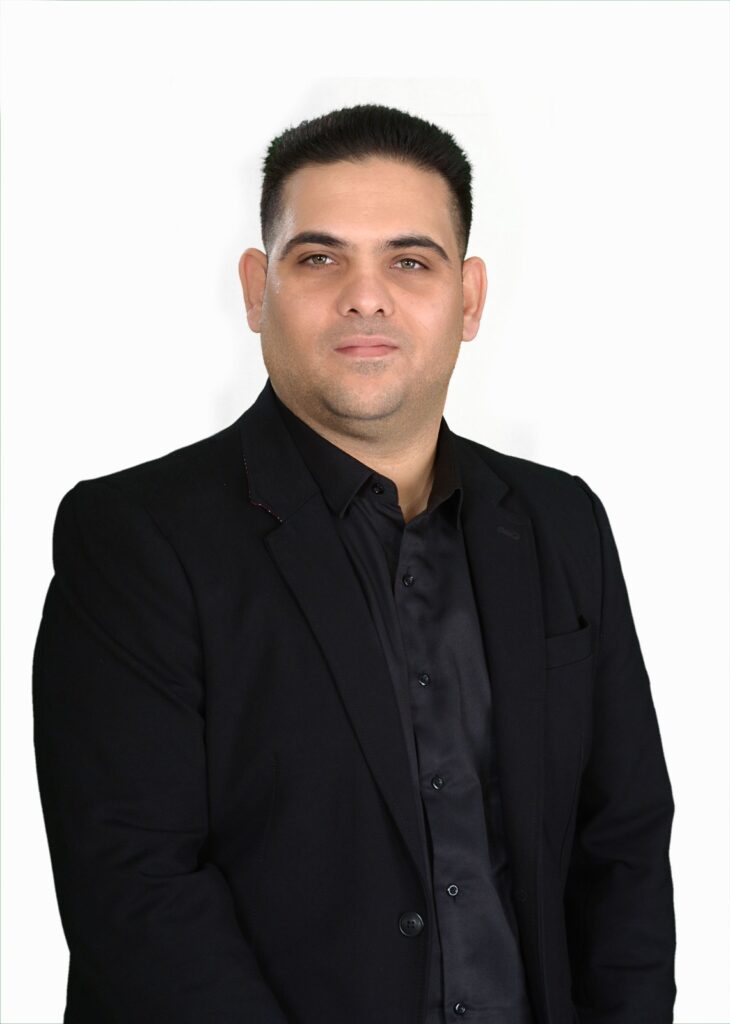
Evolution of Surgical Techniques for Obstructive Sleep Apnea: Innovations and Clinical Applications
PhD Oral and Maxillofacial SurgeonAssistant prof. at alquds universityfellowship of IOMFS
Dr.Ahmed Mansour Yaqin
Title:
Temporomandibular Joint Disorder Associated With Chronic Mouth Breathing, Tinnitus, and Hearing Loss
Otolaryngiologist (ENT Specialist)Arab And Palestinian Board OF ENT
Abstract :
Temporomandibular joint disorder (TMD) is a common condition affecting the masticatory muscles and temporomandibular joint. Owing to the close anatomical and functional relationship between the temporomandibular joint and the auditory system, patients with TMD may present with otologic symptoms, including tinnitus, hearing impairment, ear fullness, and otalgia. Chronic mouth breathing may contribute to altered craniofacial development, abnormal mandibular positioning, and TMJ dysfunction, potentially exacerbating auditory manifestations.
Dr. Ayman Zaghal
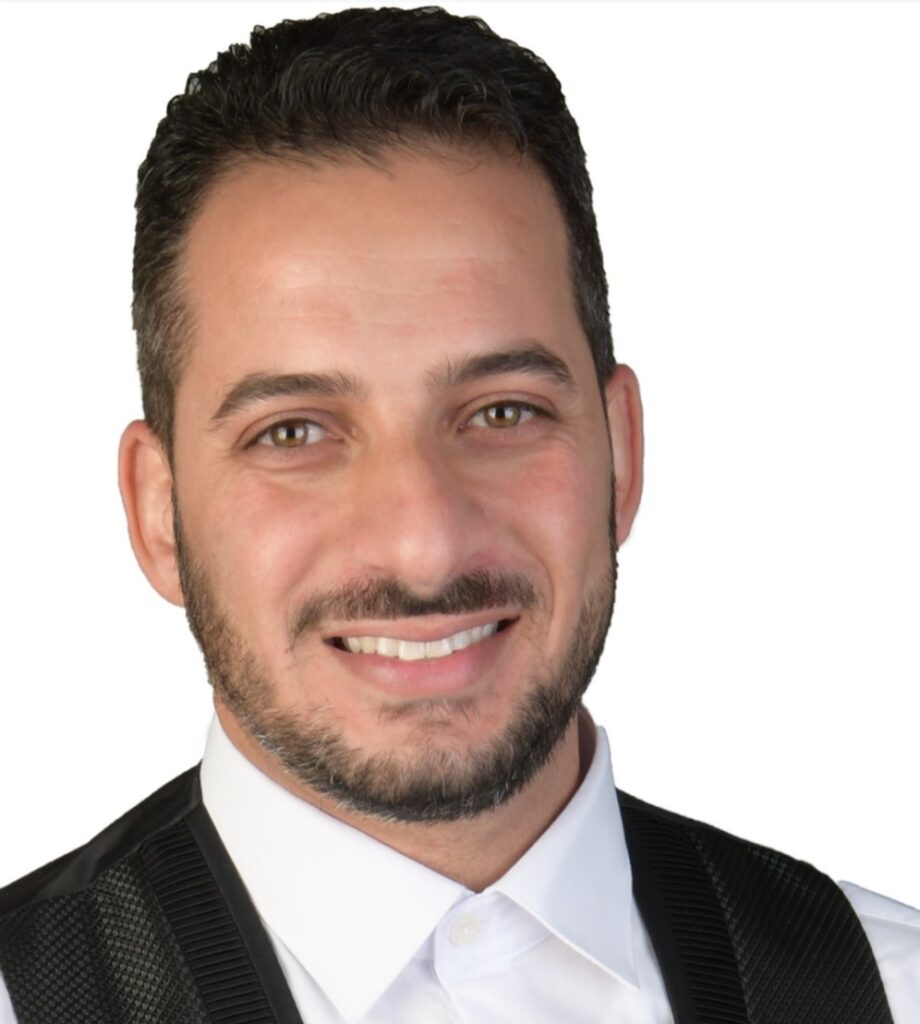
Beyond Virtual Planning, AI-Assisted Orthognathic Surgery, Outcome Validation, and Airway Implication.
> BDS , MSc Orthognathic , AB OMFS, MOMS RCSED , Diplomate AUPSBahelor’s degree Misr Univeristy for Science and TechnologyOral & Cranio-Maxillofacial Program / NIH CAIROABOMFS Arab Board of Oral & Maxillofacial SurgeryPalestinian , Jordanian Board, RCSED MOMSAss. Prof Al-Quds University, Faculty of Dental Medicine, Oral Surgery DepartmentDDS Palestinian Ambassador and a Distinguished Member of the Communicationand Visual Strategy Committee.DAIA International Ambassador of Palestine 1st of its KindAI Expert certified by the American University of Professional Studies AUPS/AIMEDTop 100 Doctor Class 2022/2024 Global SummitVice President IADR / Palestinian SectionConsultant of Oral and Maxillofacial Surgery Department at Al-Makassed Hospital/Jerusalem and H-Clinic & JSSH/ RamallahFounder and Head of the Jerusalem Smile & Jerusalem EyeSpecialized Dental Centers at Jerusalem
Dr. Mahmoud Ramadan
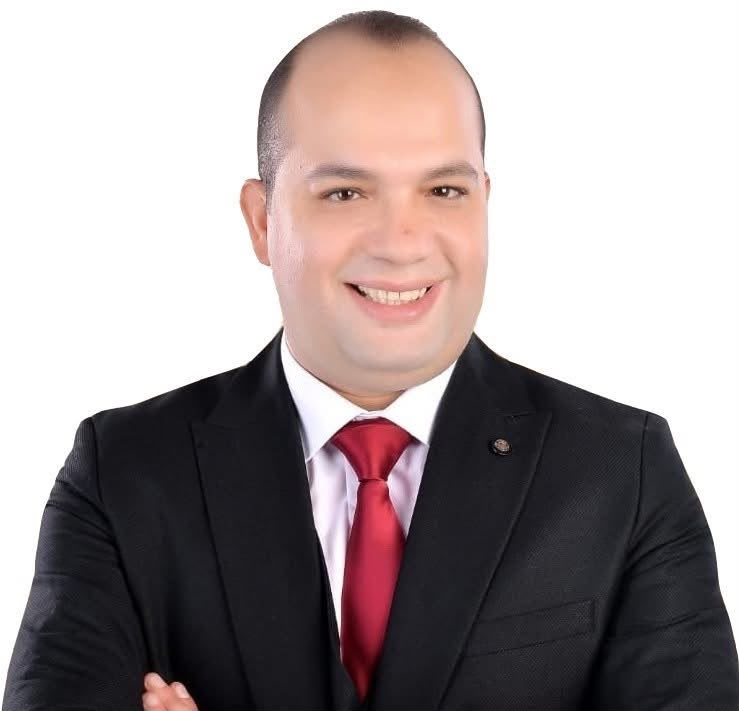
EMG Digital Evaluation:
Immediate and Sustained Effects of Occlusal Splints
Dr. Mahmoud RamadanBDs, HDD, MDs, PhD* A. Prof. of Prosthodontics, Faculties of Dentistry and Applied Health Sciences and Technology, Horus University in Egypt (HUE).* President of Egyptian Society of Orofacial Pain and Dysfunction (ESOPD).* Member of Higher Council of Arabic Society of Orofacial Pain and Dysfunction (ASOPD).
This abstract evaluates the immediate and long-term neuromuscular impacts of occlusal appliance therapy on the masticatory system. Purpose:To evaluate the short- and long-term effects of occlusal splints on the electrical activity of the masseter and temporalis muscles using digital surface EMG. Methods:Patients with TMD and/or sleep bruxism received stabilization splints. Muscle activity was measured before treatment, immediately after splint insertion, and during follow-up periods. Results: Immediate effects: Improved muscle balance and symmetry, with reduced excessive muscle activity during clenching.Long-term effects (3–6 months): Significant reduction in resting muscle activity, improved muscle coordination, and decreased pain levels. Conclusion:Occlusal splints provide both immediate neuromuscular stabilization and long-term therapeutic benefits by reducing muscle hyperactivity, improving muscle symmetry, and relieving pain in patients with TMD and sleep bruxism
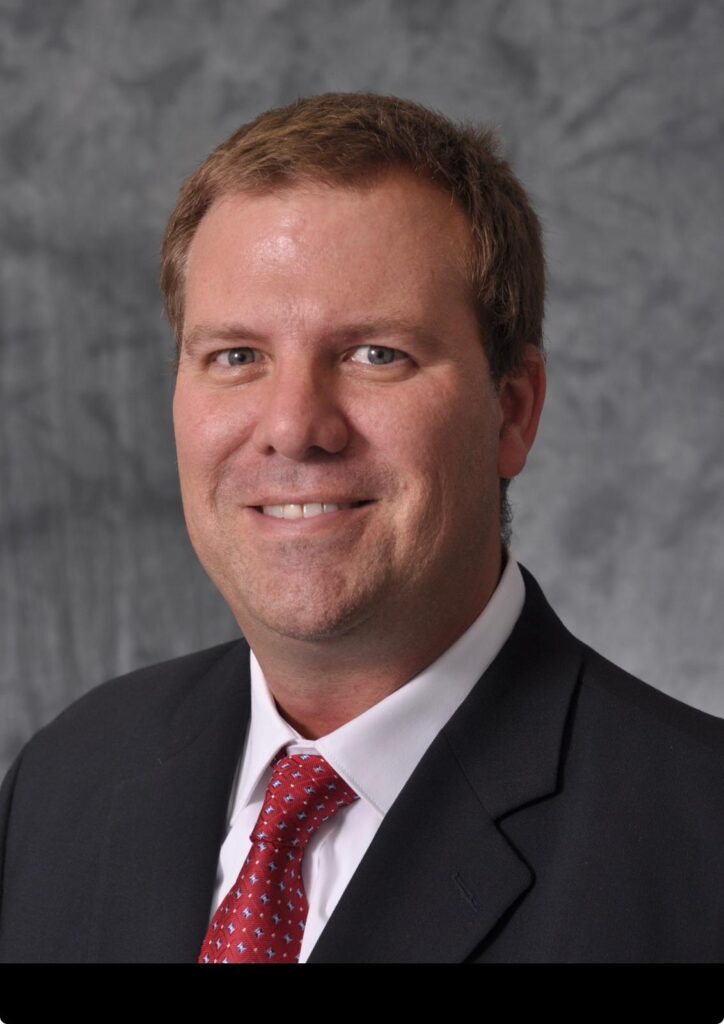
Dr. Francisco Plaza
Type your paragraph here
The TMJ as a key factor in the success of Orthodontic treatment.
It is well known that a successful orthodontic treatment should achieve esthetics, function and long-term stability. This stability is obtained by achieving harmony among the multiple components of the stomatognathic system that include teeth, muscles and the TMJ. Many orthodontists do not take into consideration the temporomandibular joints in the diagnostic process ignoring anatomical and functional aspects of this unique joint that could compromise the long-term stability of the orthodontic treatment jeopardizing the success of the treatment. The objective of this presentation is to provide an approach to diagnose and manage temporomandibular joint disorders in orthodontic patients supported by evidence to achieve the three main goals of the orthodontic treatment.
Type your paragraph here
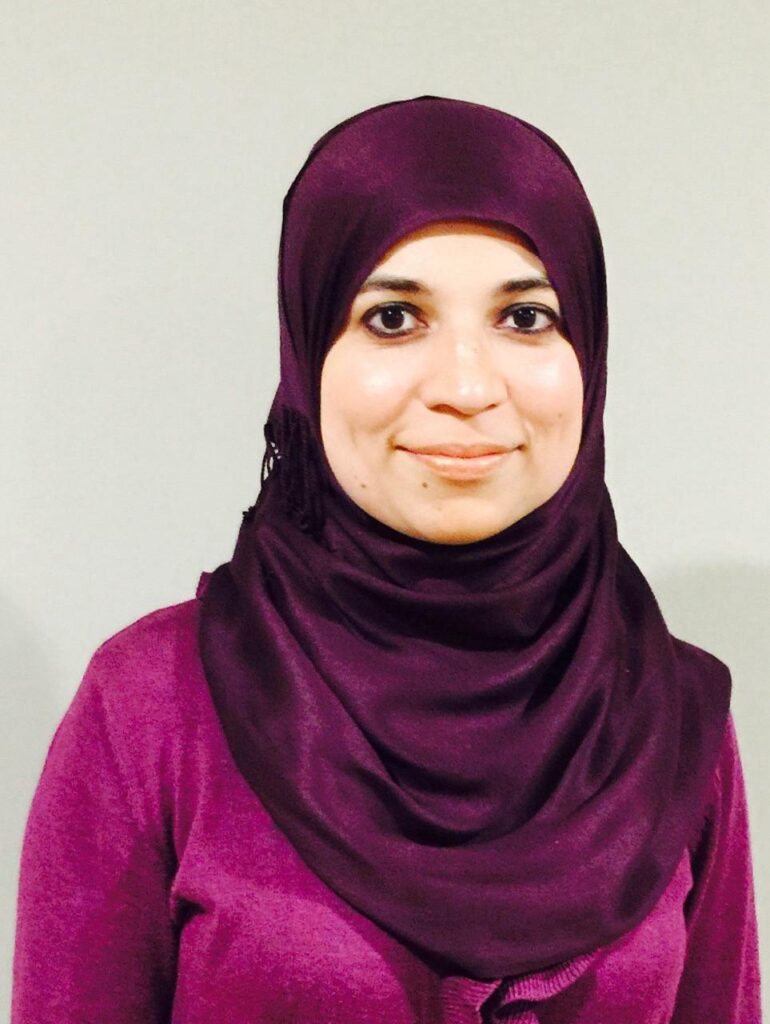
Dr. Mariam Tahir Siddiqui
1. MS Orofacial Pain & Dental Sleep, USC California
2. MS Clinical Research, SPH University of Minnesota
3. Currently working as faculty in TMD Orofacial Pain & Dental Sleep Medicine in University of Michigan, Ann Arbor
Temporomandibular disorders (TMD) and orofacial pain persisting beyond three months are classified as chronic and require a comprehensive, layered management strategy. We propose an “onion peel” approach that systematically addresses the multiple contributors to chronic pain, including musculoskeletal dysfunction, joint pathology, neuropathic and neuralgic components, psychosocial factors, stress, and sleep disturbances. While pharmacologic therapy is often first-line, we advocate for an initial integrative, non-pharmacologic approach. This includes trigger point injections, acupuncture, cupping, targeted nerve blocks (e.g., occipital and sphenopalatine ganglion), and the use of compounded topical therapies. Equally important are cognitive behavioral therapy and comprehensive sleep evaluation to identify and treat conditions such as obstructive sleep apnea, insomnia, and circadian rhythm disorders. Restoration of autonomic balance—specifically promoting parasympathetic (“rest and digest”) activity—plays a central role. Interventions such as structured breathing techniques, temperature-based therapies, sleep optimization, and reduction of external stimulants may support this shift. We further propose that integrating preventive education into community and school-based programs could significantly reduce the burden of chronic orofacial pain. Early awareness and adoption of these strategies have the potential to improve population-level quality of life while decreasing long-term healthcare utilization.
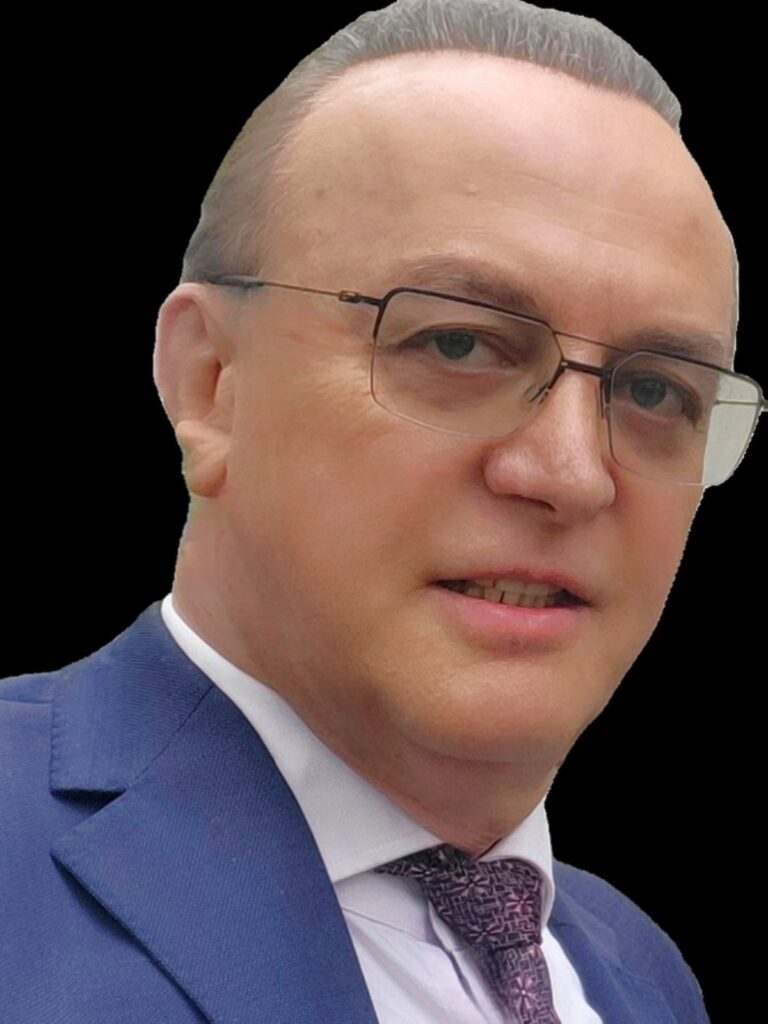
Prof. Dr. h. c. Aladin Sabbagh
Temporomandibular disorders (TMD) and orofacial pain persisting beyond three months are classified as chronic and require a comprehensive, layered management strategy. We propose an “onion peel” approach that systematically addresses the multiple contributors to chronic pain, including musculoskeletal dysfunction, joint pathology, neuropathic and neuralgic components, psychosocial factors, stress, and sleep disturbances. While pharmacologic therapy is often first-line, we advocate for an initial integrative, non-pharmacologic approach. This includes trigger point injections, acupuncture, cupping, targeted nerve blocks (e.g., occipital and sphenopalatine ganglion), and the use of compounded topical therapies. Equally important are cognitive behavioral therapy and comprehensive sleep evaluation to identify and treat conditions such as obstructive sleep apnea, insomnia, and circadian rhythm disorders. Restoration of autonomic balance—specifically promoting parasympathetic (“rest and digest”) activity—plays a central role. Interventions such as structured breathing techniques, temperature-based therapies, sleep optimization, and reduction of external stimulants may support this shift. We further propose that integrating preventive education into community and school-based programs could significantly reduce the burden of chronic orofacial pain. Early awareness and adoption of these strategies have the potential to improve population-level quality of life while decreasing long-term healthcare utilization.
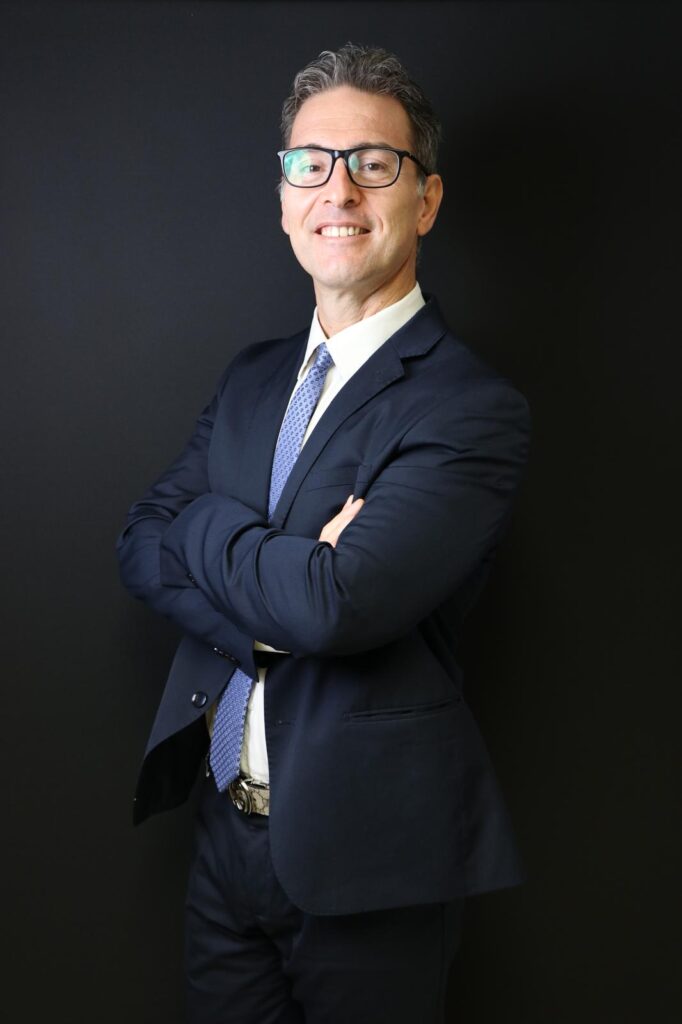
Daniele Manfredini
Prof. Daniele Manfredini received his DDS from the University of Pisa, Italy in 1999, a MSc in Occlusion and Craniomandibular Disorders in 2001 from the same University, a PhD in Dentistry from the ACTA Amsterdam, The Netherlands, and a Post-Graduation Specialty in Orthodontics from the University of Ferrara, Italy. He achieved the Diplomate Status from the American Board of Orofacial Pain in 2021.From 2006 to 2016, Daniele Manfredini has been Assistant Professor at the TMD Clinic, Department of Maxillofacial Surgery, University of Padova, Italy.Since 2017, Daniele Manfredini has served as Professor at the School of Dentistry, Department of Medical Biotechnologies, University of Siena, Italy, where he holds teachings in Oral Physiology and in Clinical Gnathology. He is currently the Director of the Orofacial Pain Unit as well as the Coordinator of the Postgraduate Programs in Orofacial Pain and Temporomandibular Disorders.Daniele Manfredini authored more than 350 papers in the field of bruxism, orofacial pain, and temporomandibular disorders in journals indexed in the Medline database (Scopus H-index=71).Since the first release of world rankings in 2013, Daniele Manfredini has been ranked in the top three experts in TMD and in bruxism by the agency ExpertScape. He has been listed in the top-ten of researchers in the whole dentistry by the Stanford University ratings in 2025.He is Member and Coordinator of the Bruxism Consensus Panel within the International Association for Dental Research, which works on the updated definition and classification strategies for bruxism and for which he currently serves in the INfORM Board of Directors.He is the co-Founder and Vice-President of the International Association for Orofacial Pain (IAOFP).Since January 1st, 2024, Daniele Manfredini is the Editor-in-Chief of CRANIO: The Journal of Craniomandibular and Sleep Practice, official journal of the American Academy of Orofacial Pain and sister academies.
Temporomandibular Joint and Orthodontics Daniele Manfredini School of Dentistry, University of Siena, Italy This lecture will provide an overview of the orthodontist’s role in the practice of temporomandibular disorders (TMDs).Decades of clinical research have provided growing scientific evidence on the absence of relationship between features of dental occlusion or condylar position and TMDs. They also shed light on the need to focus on neurological and psychological issues for a proper management of patients with temporomandibular joint (TMJ) and jaw muscle pain.Whilst this evidence is fully embraced by dentists with expertise in the orofacial pain field, it is still hard to swallow by some communities of orthodontists. Claims that there is purported “clinical evidence” in support of mandibular repositioning and orthodontic finalization, on anecdotic basis and inductive reasoning, is the best argument to confute any scientific reasoning. Invasive treatments in the form of irreversible occlusal changes and years-long treatment are thus still proposed, against any recommendations by the expert academies. Some arguments to discourage orthodontic treatment to treat TMDs are simply based on oral physiology. For instance, teeth almost never really touch in maximum intercuspidation; movement guidance is important for an articulator, but never performed in real life; features of the interarch relationship are just a static frame; condylar position is asymmetric by definition; the condyle-fossa or condyle-disc relationship cannot be “corrected” only on one side, and this is bizarre if one considers that most patients have unilateral symptoms. Thus, any occlusally-oriented etiological theory for TMDs needs for all sort of exceptions against physiology to be considered “true”.Consequently, it not a surprise that the literature, which is indeed based on patients (i.e., clinical evidence!), dismantles such theories. For instance, how to explain TMD pain in patients with good occlusion? And what about the absence of symptoms in patients with bad-looking occlusion? And the many patients with asymptomatic osteoarthrosis? Only anecdotes can help an occlusal practitioner finding an explanation in front of these patients.In short, orthodontics can be considered neutral, at best, for the TMJs. It cannot cure TMDs, but it is also unlikely that it may cause TMJ symptoms. Knowledge on the epidemiology of TMJ sounds is fundamental for understanding the latter statement.Within these premises, bruxism in the form of isometric bracing as an expression of vigilance and emotional tension has clearly emerged as the most important clinical factor in the pathophysiology of TMDs. Orthodontics, either with traditional brackets or aligners, may increase the muscle work in some individuals, explaining the potential onset of mild symptoms in course of orthodontic treatment that have nothing to do with the biomechanics of treatment itself.So, what should a practitioner do? The answer is that an orthodontist should realize that TMD symptoms are mainly due to an emotional overload, which leads to muscle tension and, via host response, to the onset of signs and symptoms. The orthodontist looking outside from the TMD patient’s mouth will easily see an individual with emotional distress, and without any occlusal or TMJ positional clue to explain symptoms, if compared with asymptomatic individuals. Depending on the symptoms, management strategies ranging from very simple behavioral advices for the control of awake bruxism to complex multimodal strategies for chronic orofacial pain are the required approaches.Within the concept of overload, an oral appliance is just a crutch, not the cure or a diagnostic device. Thinking of it makes everything immediately fit with all the clinical knowledge that has been sustained by generations of orofacial pain practitioners. Learning objectives- To gain an update on current evidence on temporomandibular disorders- To understand that orthodontics is neutral with respect to temporomandibular disorders- To provide ethical messages about the need to avoid occlusal overtreatments for TMD management
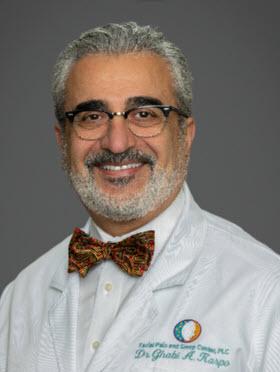
Dr. Ghabi Kaspo
is an internationally recognized specialist in Orofacial Pain Management and Temporomandibular Joint (TMJ) Disorders, with over 33 years of clinical and academic experience.He earned his Doctor of Dental Surgery (D.D.S.) and Diploma in Orthodontics (D. Orth.) from Damascus University, followed by a second D.D.S. from the University of Detroit Mercy. He also completed advanced training and received a Certificate in TMJ and Orofacial Pain Management from the University of Medicine and Dentistry of New Jersey.Dr. Kaspo is a Diplomate of the American Board of Orofacial Pain and the American Board of Dental Sleep Medicine. He served as President of the American Academy of Orofacial Pain (2017–2018) and currently serves as International President of the Pierre Fauchard Academy.He practices at Henry Ford Hospital’s Royal Oak Center, where he is part of the ENT Department’s Oral Surgery Team, with a focus on orofacial pain and dental sleep medicine. In addition, he serves as a Clinical Assistant Professor in the Department of Psychiatry at Wayne State University School of Medicine in Detroit, Michigan.Dr. Kaspo is currently co-editing the upcoming textbook Orofacial and Head Pain: Imaging Selections and Strategies, which was published in December 2025. His scholarly work includes many articles and book chapters on TMJ imaging, fibromyalgia-related TMD, sleep disorders, and the use of Cone Beam CT in diagnosing temporomandibular joint diseases.Widely respected for his expertise, leadership, and dedication to advancing interdisciplinary pain management, Dr. Kaspo remains a driving force in the growing fields of orofacial pain, dental sleep medicine, and TMJ disorders.
"Beyond the Mask: Rethinking Adherence in Sleep Apnea Treatment"
Abstract:
Continuous positive airway pressure (CPAP) is the gold standard for treating obstructive sleep apnea (OSA), yet its real-world effectiveness is often limited by poor adherence. This presentation explores the gap between efficacy and patient use, highlighting oral appliance therapy as a more acceptable alternative for many patients. By examining adherence patterns and patient-centered factors, this session emphasizes the importance of individualized treatment strategies. Ultimately, it reframes successful OSA management as achieving the best outcomes with therapies patients will consistently use.
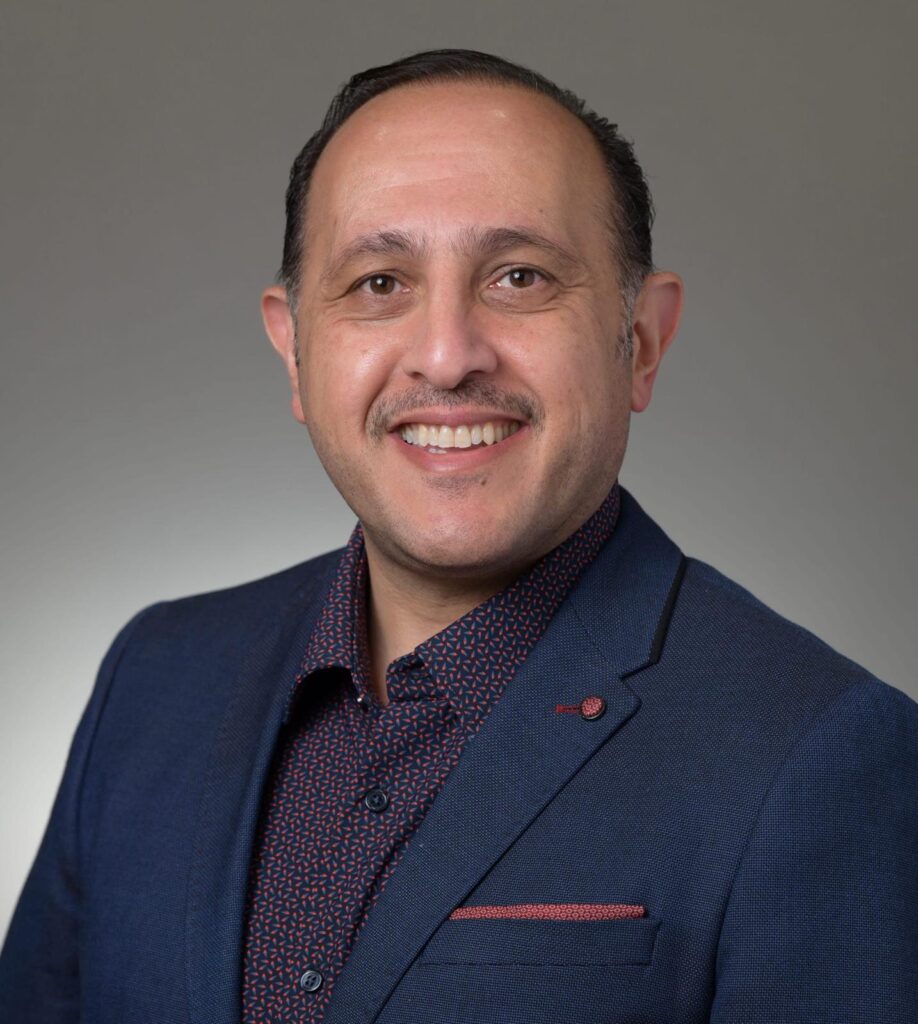
Dr. Bassam M. Kinaia D.D.S., M.S., D.I.C.O.I.
Dr. Kinaia is the Associate Director of the Graduate Periodontology Program at the University of Detroit Mercy in Michigan. He is also the former the Director of the Graduate Periodontology Program at the University of Detroit Mercy in Michigan as well as the Boston University Institute for Dental Research and Education at Boston university in Dubai. Dr. Kinaia is a Diplomate of the American Academy of Periodontology and the International Congress of Oral Implantology. Dr. Kinaia currently serves as the Director of the Michigan Periodontal Association. He obtained his DDS degree from the University of Detroit Mercy School of Dentistry in Detroit, Michigan and later completed his Master of Science (MS) and Certificate of Advanced Graduate Studies (CAGS) in Periodontology at the University of Detroit Mercy School of Dentistry and St. John Hospital Health System in Michigan. Dr. Kinaia has numerous journal publications, chapter books and research in the fields of Periodontology and Dental Implants and received a certificate of Excellence from the American Academy of Periodontology in recognition of his teaching and research fellowship. He is a clinician with over 27 years of private practice experience and is an academician where he lectures nationally and internationally on Periodontics and Dental Implants.
Title:
Understanding Periodontal - Endodontic Orofacial Pain using Selective Imaging.
Title: Speakers: Dr. Bassam M. Kinaia D.D.S., M.S., D.I.C.O.I.Diplomate, American Board Diplomate, International Congress of Oral Implantology.Detroit Mercy Dental School.Director: Michigan Periodontal Association.Date: September 11, 2026Meeting: Understanding Periodontal - Endodontic Orofacial Pain using Selective Imaging.of Periodontology.Associate Director & Professor: Graduate Periodontics Program – University ofPalestinian Academy for Orofacial Pain & Dental Sleep MedicineABSTRACT:Odontogenic pain is a category of complex disorders that include the soft tissue and the bony structures. Itcan be caused by pathological conditions related to Periodontal or Endodontic involvement. Diagnosisrequires a comprehensive review of the patient’s medical-dental history and clinical examination, combinedwith appropriate imaging techniques. This presentation focuses on the usefulness of imaging techniques todetermine methodical approaches for assessing etiologic factors, diagnostic mechanisms and treatmentmodalities to predicably navigate through Endodontic-Periodontal involvement. Clinical case scenarios arepresented to treat different examples of Endodontic-Periodontal lesions with emphasis on interdisciplinaryapproach.OBJECTIVES:1. Recognize importance of imaging techniques for proper assessment.1. Recognize importance of imaging techniques for proper assessment.2. Be familiar with non-surgical and surgical treatment options.3. Employ a methodical diagnostic approach for Endodontic-Periodontal involvement.3. Employ a methodical diagnostic approach for Endodontic-Periodontal involvement.