
Biography
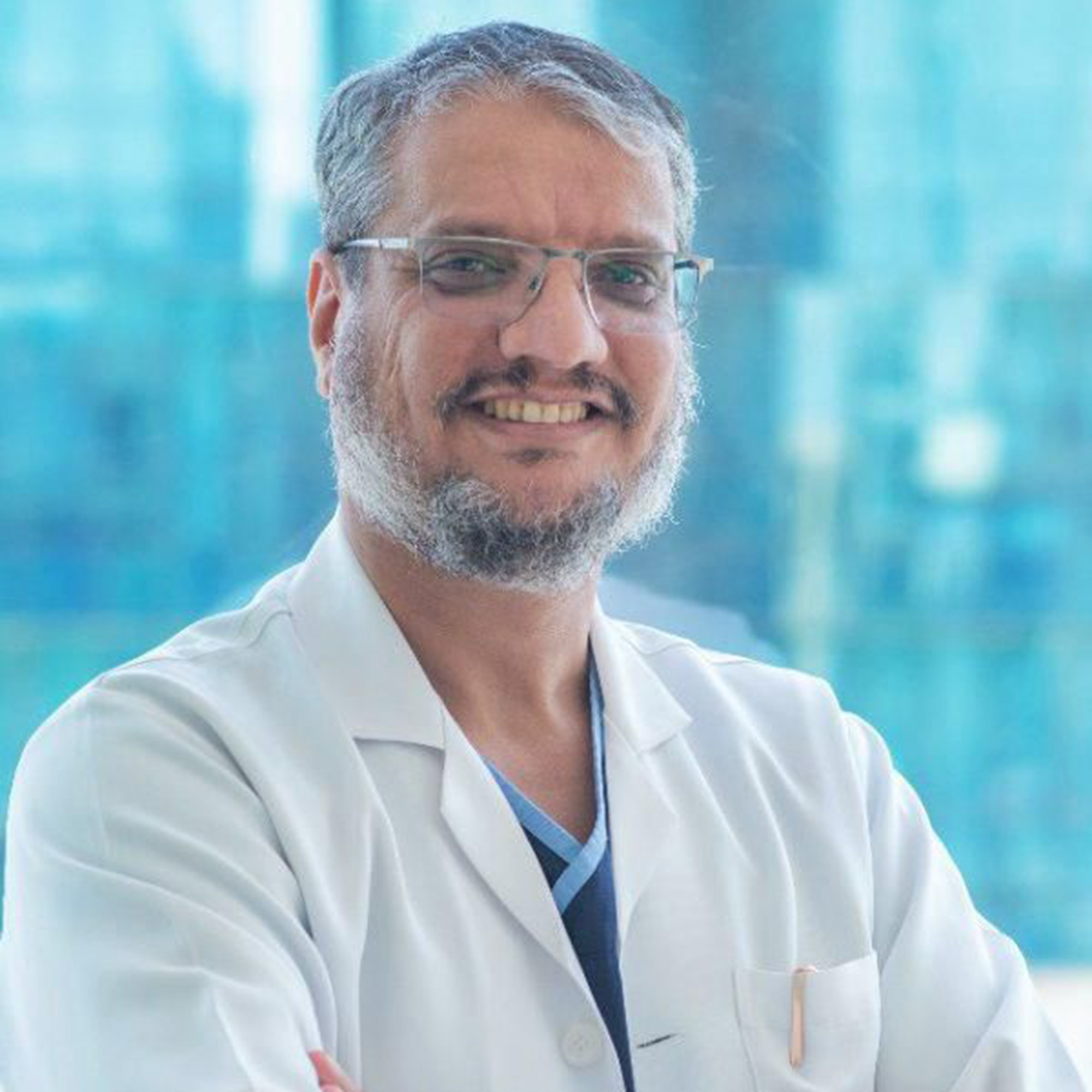
Dr. Mohammad Al Harthy, PhD about Orofacial Pain & TMD
1- Certificates:-
- Bachelor of Dental Medicine & Surgery, Faculty of Dentistry, King Abdul-Aziz University, Jeddah, KSA 1996.
- Master of Oral Sciences in Orofacial Pain & TMD, Malmö University, Sweden 2007.
- Swedish Board in Orofacial Pain & TMD Certified, Malmö University, Sweden 2009.
- PhD about Orofacial Pain & TMD, Thesis titled: “Cross-Cultural Differences in Chronic Orofacial Pain & TMD, a Multi-Center Studies in Sweden, Italy & KSA”, Malmö University, Sweden, 2016.
2- Currently; Dr. M. Al-Harthy is:
- Assistant professor & Consultant in Oral Medicine/ Orofacial Pain & TMD at Umm Al-Qura University, Faculty of Dentistry, Makkah, KSA.
- Consultant in Orofacial Pain & TMD, Co-owner؛ Expert Medical Group, Jeddah, Saudi Arabia. - Board Member, Saudi Dental Society.
- Board Member Ibtasim Charity Society for Volunteering Dental Services.
3- Immediate Past President of International Association for Dental, Oral and Craniofacial Research, Saudi Arabian Division.
4- Chairman of Scientific Committee at Makkah International Dental Conference & Exhibition. 5- Published many research papers in the field of orofacial pain & dentistry in national and international peer-reviewed dental journals.
Presentation title
What Every Dentist Gets Wrong about TMD — and How to Get It Right
Abstract
Few areas of dentistry carry as much outdated dogma as the temporomandibular disorders. Generations of clinicians were taught that TMD is fundamentally a problem of the bite, that every joint click must be corrected, that all bruxism requires a splint, and that a hard appliance can fix almost anything — beliefs that modern evidence does not support and that too often lead to unnecessary, irreversible and costly treatment. This lecture takes five of the most persistent TMD myths and dismantles them with current evidence, then rebuilds a clean, practical pathway for everyday practice. It re-examines the role of occlusion, reframes bruxism in line with the 2018 international consensus as a behaviour rather than a disorder, clarifies when joint sounds and imaging actually matter, and shows where occlusal appliances genuinely help and where they do not. From this foundation it presents a rapid, validated TMD screen, a focused examination, and a clear rule for deciding which patients a generalist can confidently manage and which warrant referral. Management is grounded in conservative, reversible, evidence-based care: education and self-care, appropriate appliance therapy, physiotherapy, behavioural approaches and short-course pharmacology, each placed in its proper tier. Three real-world cases — including a “TMD” that proved to be something else entirely — illustrate the difference between treating confidently and overtreating, and highlight the iatrogenic traps that cause avoidable harm. Suitable for clinicians of every specialty, the session translates a large and sometimes contradictory literature into a simple chairside algorithm. Participants will leave able to separate myth from evidence, screen efficiently, intervene proportionately, and recognise when to refer — equipped, above all, with the confidence to do less, better, for the benefit of their patients.
Learning objectives
By the end of the session, participants will be able to:
1. Critically appraise five common TMD beliefs against current evidence, including the role of occlusion and bruxism.
2. Perform a rapid, validated TMD screen and decide which cases to manage versus refer.
3. Use occlusal appliances and conservative adjuncts appropriately, with correct indications and cautions.
4. Identify the overtreatment traps that cause iatrogenic harm in TMD care.