

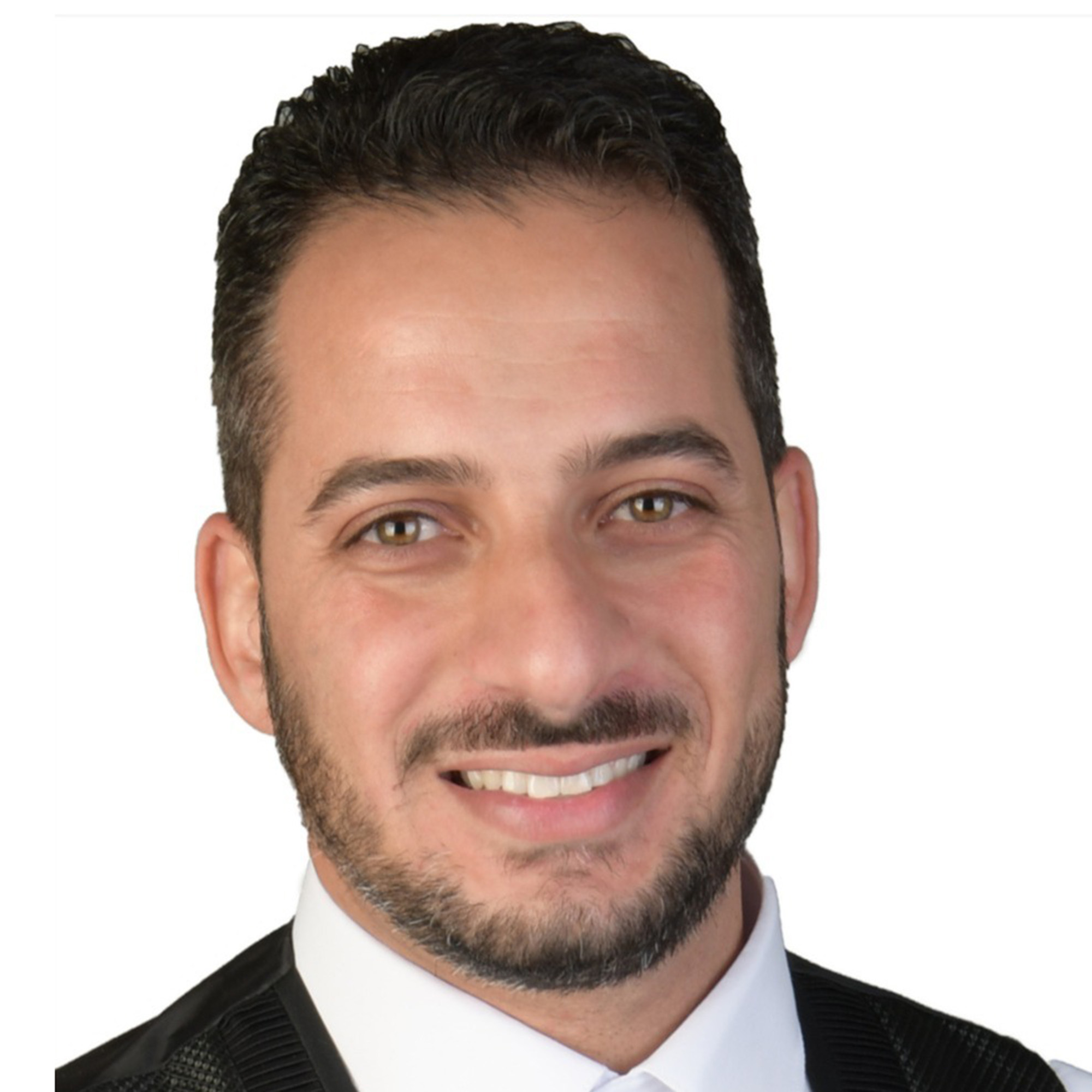
Biography
Dr. Ayman Zaghal, BDS , MSc Orthognathic , AB OMFS, MOMS RCSED , Diplomate AUPS
1st Presentation Title
Beyond Virtual Planning, AI-Assisted Orthognathic Surgery, Outcome Validation, and Airway Implication.
1st Abstract
Artificial Intelligence (AI) is rapidly transforming the field of dentistry, surgery, and particularly Orthognathic Surgery by enhancing diagnostic accuracy, surgical planning, and clinical outcomes.My presentation explores the integration of AI-driven technologies—particularly machine learning and computer vision—into the orthognathic workflow.AI enables landmark detection, automated cephalometric analysis, 3D facial prediction, and personalized treatment planning based on large datasets, improving both efficiency and predictability.Recent advancements include AI-assisted segmentation and registration, virtual surgical planning optimization, and outcome simulation for both functional and aesthetic parameters. Additionally, AI plays a growing role in assessing Airway change, completing the three pillars that matter clinically: facial aesthetics, skeletal accuracy, and airway function.Despite its promise, challenges remain, including data quality, ethical considerations, and the need for clinical validation. This presentation highlights current applications, emerging trends, and future directions of AI in orthognathic surgery, emphasizing its potential to shift the paradigm toward precision, personalization, and improved patient-centered care.
2nd Presentation Title
Guided Simplicity: Achieving Predictable Implant Outcomes with 2ingis and Bicon
2nd Abstract
Digital implant dentistry has transformed the way clinicians plan and execute implant placement, allowing for greater precision, predictability, and minimally invasive approaches. “Guided Simplicity: Achieving Predictable Implant Outcomes with 2ingis and Bicon” explores the integration of the 2ingis guided surgery workflow with the unique philosophy of Bicon implant systems to achieve accurate, prosthetically driven implant placement. This lecture will present the complete digital workflow, from 3D data acquisition and virtual planning to surgical guide design and clinical execution. Through clinical cases, the advantages of guided implant placement, simplified surgical protocols, and the management of challenging anatomical situations will be discussed. By combining digital precision with the biological principles of Bicon implants, clinicians can enhance treatment predictability while maintaining a minimally invasive and patientcentered approach. The lecture will highlight how technology can simplify complex procedures and improve long-term clinical outcomes.