
Biography
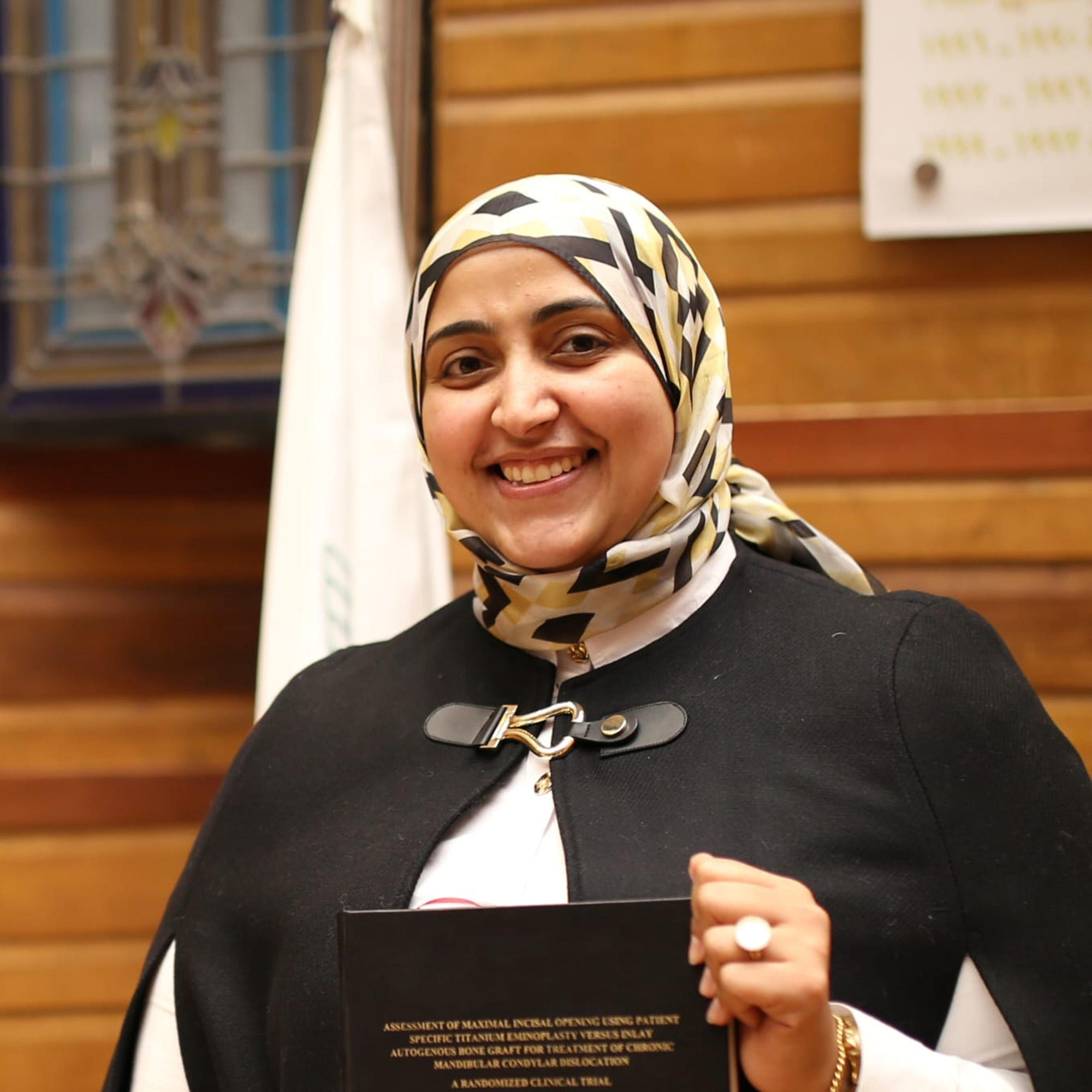
Dr. Rania Ihab Younis, Lecturer of Oral and Maxillofacial Surgery department, Faculty of Dentistry, MSA University
Dr. Rania Ihab Younes is an Oral and Maxillofacial Surgeon, TMJ specialist, academic lecturer, and dedicated humanitarian.She holds a Master’s, a PhD in her specialty, and an MBA tailored for the medical sector.Since 2011, she has been a faculty member at October University for Modern Sciences and Arts (MSA).In her current role as a Lecturer, she balances clinical instruction with academic quality assurance.Driven by service, she has provided life-changing surgical care to underserved communities globally.Her international medical missions since 2016 span Malawi, Mozambique, Kenya, Tanzania, Ghana, Uganda, and Jordan.
Presentation title
Conservative, Non-Surgical Management of Temporomandibular Disorders (TMDs): A Evidence-Based Patient-Centric Approach
Abstracts
Background:
Temporomandibular disorders (TMDs) comprise a heterogeneous group of musculoskeletal and neuromuscular conditions involving the temporomandibular joint (TMJ), masticatory muscles, and associated structures. While surgical interventions exist for severe structural pathology, the vast majority of TMD cases respond favorably to reversible, non-invasive therapies.
Objectives:
This presentation aims to evaluate the efficacy of conservative, non-surgical management strategies for TMDs, emphasizing a multidisciplinary, stepwise treatment protocol that minimizes risk and maximizes patient outcomes.
Methods/Methods Covered:
A comprehensive review of current clinical guidelines and evidence-based modalities was conducted. The conservative framework analyzed includes:
Behavioral & Educational Therapy:
Patient education, habit reversal (e.g., bruxism, clenching), and stress management.
Physical Therapy: Manual therapy, therapeutic exercises, and modalities such as ultrasound and low-level laser therapy (LLLT).
Pharmacotherapy: Short-term use of NSAIDs, muscle relaxants, and low-dose tricyclic antidepressants for chronic pain.
Occlusal Splint Therapy: Stabilization appliances to reduce muscle activity and protect joint structures.
Results: Current literature indicates that upward of 85% to 90% of TMD patients experience significant symptom resolution, pain reduction, and improved mandibular jaw function through conservative means alone. Invasive procedures rarely yield superior long-term outcomes for myofascial or non-anchored disc displacement issues when compared to structured non-surgical care.
Conclusion: Conservative, non-surgical management remains the gold standard for the initial and long-term care of TMDs. A patient-centric, reversible approach reduces the financial and physical burden of invasive procedures, highlighting the need for clinicians to prioritize conservative protocols before considering surgical intervention.