
Biography
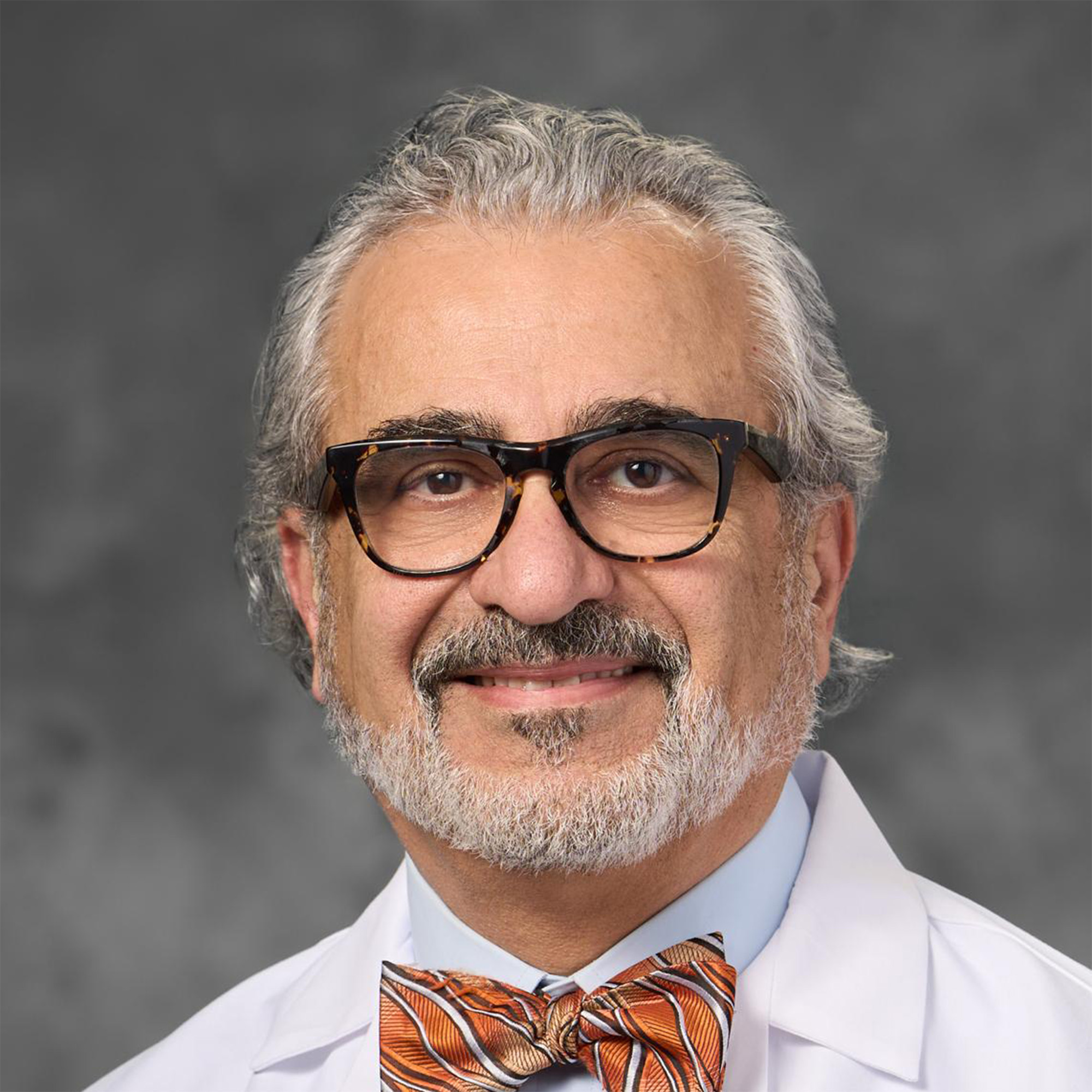
Dr. Ghabi Kaspo is an internationally recognized specialist in Orofacial Pain Management and Temporomandibular Joint (TMJ) Disorders, with over 33 years of clinical and academic experience.
He earned his Doctor of Dental Surgery (D.D.S.) and Diploma in Orthodontics (D. Orth.) from Damascus University, followed by a second D.D.S. from the University of Detroit Mercy. He also completed advanced training and received a Certificate in TMJ and Orofacial Pain Management from the University of Medicine and Dentistry of New Jersey.Dr. Kaspo is a Diplomate of the American Board of Orofacial Pain and the American Board of Dental Sleep Medicine. He served as President of the American Academy of Orofacial Pain (2017–2018) and currently serves as International President of the Pierre Fauchard Academy.He practices at Henry Ford Hospital’s Royal Oak Center, where he is part of the ENT Department’s Oral Surgery Team, with a focus on orofacial pain and dental sleep medicine. In addition, he serves as a Clinical Assistant Professor in the Department of Psychiatry at Wayne State University School of Medicine in Detroit, Michigan.Dr. Kaspo is currently co-editing the upcoming textbook Orofacial and Head Pain: Imaging Selections and Strategies, which was published in December 2025. His scholarly work includes many articles and book chapters on TMJ imaging, fibromyalgia-related TMD, sleep disorders, and the use of Cone Beam CT in diagnosing temporomandibular joint diseases.Widely respected for his expertise, leadership, and dedication to advancing interdisciplinary pain management, Dr. Kaspo remains a driving force in the growing fields of orofacial pain, dental sleep medicine, and TMJ disorders.
1st Presentation title
Beyond the Mask: Rethinking Adherence in Sleep Apnea Treatment
1st Abstract
Continuous positive airway pressure (CPAP) is the gold standard for treating obstructive sleep apnea (OSA), yet its real-world effectiveness is often limited by poor adherence. This presentation explores the gap between efficacy and patient use, highlighting oral appliance therapy as a more acceptable alternative for many patients. By examining adherence patterns and patient-centered factors, this session emphasizes the importance of individualized treatment strategies. Ultimately, it reframes successful OSA management as achieving the best outcomes with therapies patients will consistently use.
2nd Presentation title
Seeing Beyond Symptoms: CBCT in TMD and Orofacial Pain Diagnosis
2nd Abstract
Orofacial pain presents complex diagnostic challenges due to overlapping symptoms, multifactorial etiologies, and limitations of conventional imaging. Accurate identification of osseous and joint-related abnormalities is essential for effective treatment planning and long-term patient management. Key applications of CBCT, including the assessment of osseous pathologies, will be discussed. Clinical case examples will illustrate how CBCT findings can clarify ambiguous clinical presentations, differentiate sources of pain, and support more precise diagnosis compared to two-dimensional imaging techniques. By integrating CBCT findings with clinical examination and patient history, clinicians can move beyond symptom-based diagnosis toward a more comprehensive and evidence-based approach. This presentation highlights how CBCT contributes to improved diagnostic confidence, optimized treatment planning, and better outcomes in the management of orofacial pain.